Channel
Basics Theory
6 Articles

Basics Theory
Knowing When to Trust AI Predictions
Learn when to trust AI predictions: define the decision, interpret risk scores vs forecasts, demand segment validation, check calibration, and add guardrails.

Basics Theory
Understanding Machine Learning Limits
Explore machine learning limits: fuzzy goals, data bias/leakage, distribution shift, and trade-offs in accuracy, speed, cost, risk, fairness, and monitoring.
Basics Theory
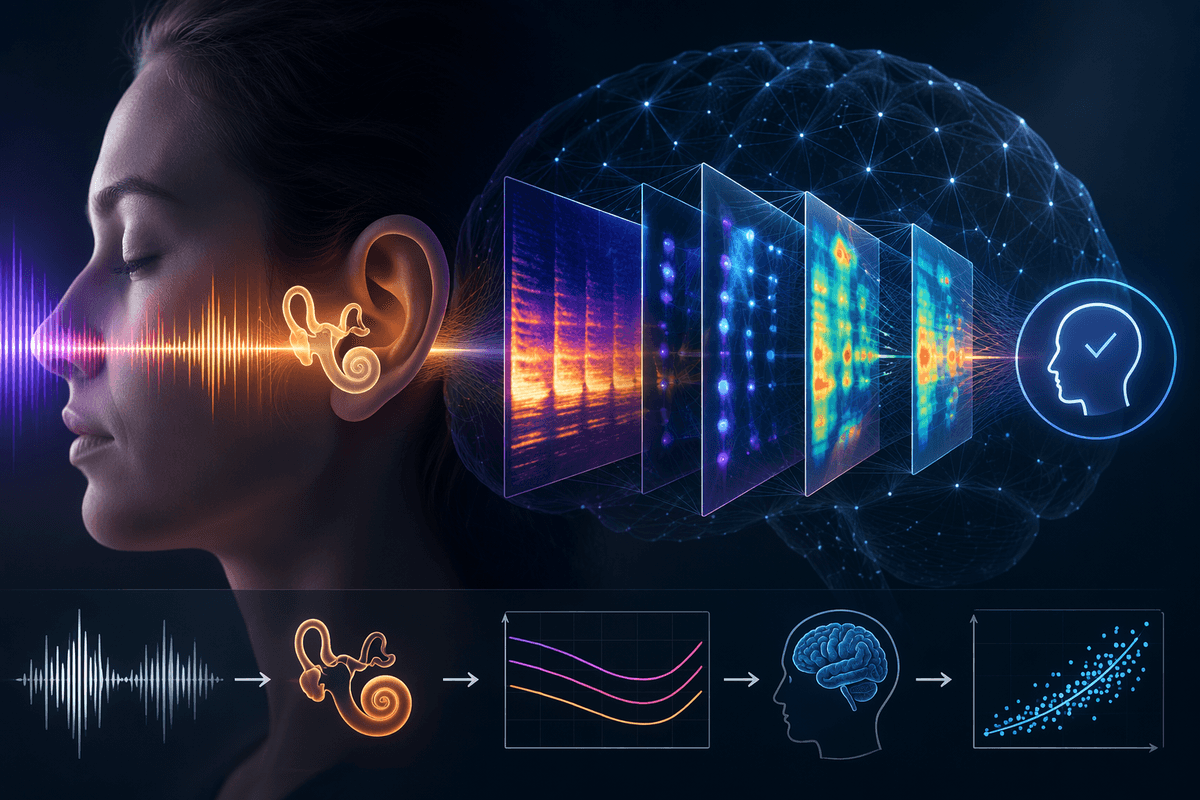
Neural Networks Simulate Human Hearing Patterns
Learn how neural networks model human hearing patterns—masking, loudness, and intelligibility—via perceptual training, representations, and psychophysics tests.

Basics Theory
AI Discovery as a Foundation for Enterprise Governance
AI discovery for enterprise governance turns AI risk into an inventory to prioritize use cases and set approvals, vendor controls, and monitoring.
Basics Theory
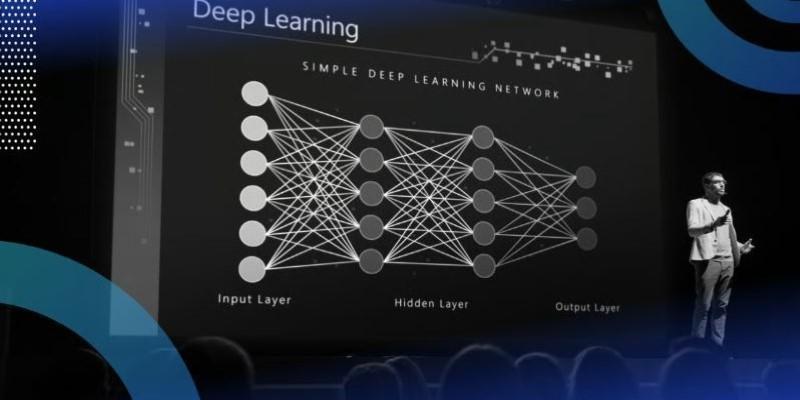
Deep Learning: The Math and the Mess
A raw look at the mechanics of multi-layered networks, focusing on the actual grind of moving data through weights and the friction of training cycles.

Basics Theory
How to Prototype Gradient Descent Algorithms for Machine Learning
Learn prototyping gradient descent in machine learning with fast and efficient methods to optimize algorithms and produce smarter models.